

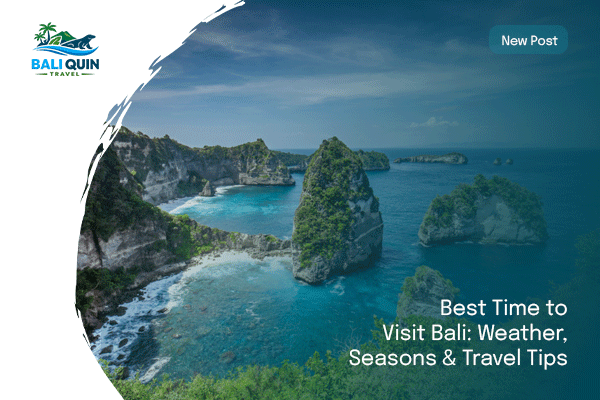
Best Time to Visit Bali: Weather, Seasons & Travel Tips
Bali has long been one of the world’s most sought-after travel destinations, attracting millions of visitors every year with its stunning beaches, rich culture, and diverse landscapes. However, choosing the right time to visit can significantly shape your overall experience. Weather conditions, seasonal patterns, and travel trends all play an important role in determining what you will see, do, and enjoy during your trip.
In this guide, you will discover the best time to visit Bali based on weather, tourist seasons, and practical travel tips. Whether you are planning a relaxing beach escape or an adventurous island journey, understanding these factors will help you make the most of your trip.
Understanding Bali’s Climate
Bali has a tropical climate, which means the weather remains warm throughout the year. Temperatures typically range between 26°C and 31°C, making it suitable for travel at almost any time. However, instead of four seasons, Bali experiences two main seasons: the dry season and the rainy season.
Although temperatures remain fairly consistent, humidity and rainfall vary significantly. Therefore, travelers should pay close attention to these seasonal changes when planning their visit.
Dry Season in Bali (April to October)
The dry season is widely considered the best time to visit Bali. During this period, the island experiences less rainfall, lower humidity, and plenty of sunshine. As a result, outdoor activities become more enjoyable and accessible.
Why the Dry Season is Ideal
First of all, the weather remains consistently sunny, which allows travelers to explore beaches, temples, and mountains without disruption. In addition, the sea conditions are generally calmer, making it perfect for snorkeling, diving, and island hopping.
Moreover, popular destinations such as Uluwatu, Nusa Penida, and Seminyak look even more stunning under clear blue skies. Photographers and content creators especially benefit from the vibrant natural lighting.
Best Months Within the Dry Season
Although the entire dry season is favorable, some months stand out more than others:
-
April to June: These months offer the perfect balance between good weather and fewer crowds. Prices are also more affordable compared to peak season.
-
July to August: This is the peak tourist season, especially for visitors from Australia and Europe. While the weather is excellent, expect higher prices and crowded attractions.
-
September to October: These months provide a quieter atmosphere while still maintaining great weather conditions.
Overall, if you prefer a more relaxed experience, traveling just before or after peak season can be a smart choice.
Rainy Season in Bali (November to March)
The rainy season in Bali brings increased humidity and frequent rainfall. However, this does not mean it is a bad time to visit. In fact, many travelers still enjoy Bali during these months for various reasons.
What to Expect During the Rainy Season
Rain usually falls in short, heavy bursts rather than lasting all day. As a result, you can still plan activities around these showers. Mornings often remain clear, while rain tends to occur in the afternoon or evening.
Additionally, the island becomes greener and more vibrant due to the rainfall. Rice terraces, jungles, and waterfalls appear more lush and dramatic during this period.
Advantages of Visiting in the Rainy Season
Despite the unpredictable weather, there are several benefits:
-
Fewer tourists: Popular attractions are less crowded, allowing for a more peaceful experience.
-
Lower prices: Hotels, tours, and flights are generally more affordable.
-
Relaxed atmosphere: You can enjoy Bali at a slower pace without the hustle of peak season.
However, it is important to remain flexible with your plans, especially if you intend to explore outdoor destinations.
Best Time for Specific Activities
Different travelers visit Bali for different reasons. Therefore, choosing the best time also depends on what you want to do during your trip.
Beach and Sunbathing
If your goal is to relax on the beach, the dry season is undoubtedly the best time. Clear skies and minimal rainfall create ideal conditions for sunbathing and swimming.
Surfing
Interestingly, Bali offers great surfing conditions year-round. However, the best waves on the west coast, such as Kuta and Canggu, occur during the dry season. Meanwhile, the east coast becomes more favorable during the rainy season.
Diving and Snorkeling
For underwater activities, visibility is best during the dry season. Calm waters and clear conditions make it easier to explore marine life around areas like Amed and Nusa Penida.
Hiking and Outdoor Adventures
Mount Batur and other trekking routes are safer and more enjoyable during the dry season. Trails remain dry and less slippery, which reduces risks and enhances the overall experience.
Peak Season vs Low Season
Understanding Bali’s tourist seasons can help you plan better and avoid unnecessary stress.
Peak Season
Peak season typically falls between July and August, as well as during Christmas and New Year. During this time, Bali becomes very busy. Hotels fill up quickly, and prices increase significantly.
Although the atmosphere is lively and energetic, you should book accommodations and tours well in advance.
Low Season
Low season occurs during the rainy months, particularly from January to March. While the weather can be unpredictable, you will benefit from lower costs and fewer crowds.
This period is perfect for travelers who prioritize relaxation and budget-friendly options.
Travel Tips for Visiting Bali
Planning ahead can make a huge difference in your travel experience. Therefore, consider the following tips before visiting Bali.
Pack Smart
Light clothing is essential due to the tropical climate. However, you should also bring a light rain jacket if you travel during the rainy season.
Book Early in Peak Season
If you plan to visit during July or August, booking flights and accommodations early will help you secure better prices and availability.
Stay Flexible
Weather conditions can change quickly, especially during the rainy season. Therefore, keeping a flexible itinerary allows you to adjust your plans easily.
Choose the Right Accommodation Area
Different areas in Bali offer different experiences. For example, Seminyak is ideal for nightlife and luxury, while Ubud is perfect for nature and culture.
Use a Private Tour or Driver
Hiring a private driver or booking a private tour can significantly enhance your experience. It allows you to explore more places efficiently and comfortably.
When is the Best Time Overall?
While Bali is a year-round destination, the best time to visit largely depends on your preferences.
If you want perfect weather, outdoor adventures, and clear skies, the dry season is your best option. On the other hand, if you prefer fewer crowds, lower prices, and a more relaxed atmosphere, the rainy season can still offer a rewarding experience.
Ultimately, Bali remains beautiful regardless of when you visit. With proper planning and realistic expectations, you can enjoy an unforgettable trip at any time of the year.
Conclusion
Choosing the best time to visit Bali involves balancing weather conditions, travel costs, and personal preferences. The dry season offers ideal weather and vibrant energy, while the rainy season provides tranquility and affordability.
By understanding Bali’s seasons and planning accordingly, you can create a travel experience that matches your expectations perfectly. Whether you are exploring beaches, temples, or hidden gems, Bali will always have something special to offer.